Paper Mache Eggs: The Ultimate Paintable Easter Eggs for Crafts
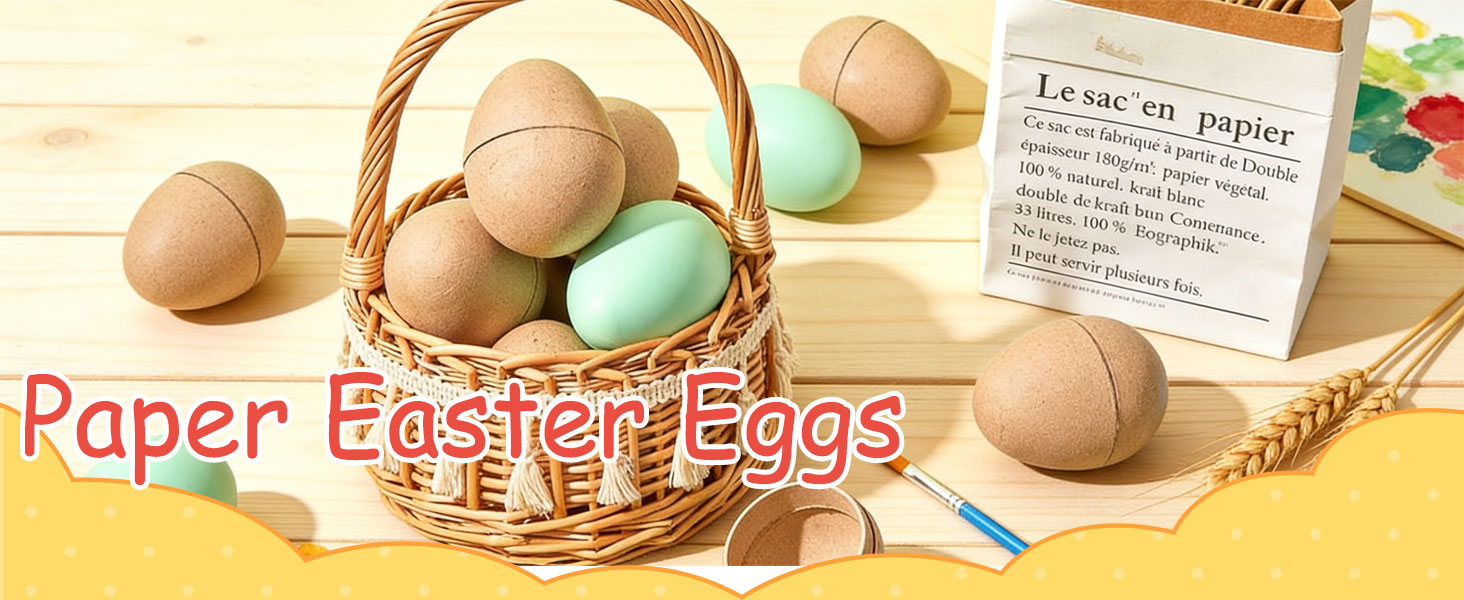
When spring arrives and craft tables start filling with pastel paint, glitter, and ribbon, paper mache eggs quietly steal the show. Unlike fragile real eggs or plastic alternatives that resist paint, these lightweight, absorbent shells are made for creativity. They are paintable Easter eggs in the truest sense—ready to be brushed, sponged, stamped, and transformed into keepsakes. Whether you are planning a classroom activity, a family weekend project, or a handmade Easter display, paper mache eggs offer a forgiving surface and nearly endless decorative potential.
Why Choose Paper Mache Eggs for Easter Crafts?
Paper mache eggs are popular for one simple reason: they cooperate. Their porous surface grabs acrylic paint, watercolor, and marker ink without the slick resistance of plastic. That means fewer frustrating smudges and more satisfying results, especially for young crafters. They are also lightweight, so they can be hung from branches, tucked into baskets, or strung into garlands without pulling everything down.
Another advantage is durability. A finished paper mache egg can last for years if it is sealed properly, making it a wonderful alternative to disposable decorations. Instead of tossing another plastic egg into storage, you can create a personalized ornament that returns to the Easter box season after season.
Crafter’s tip: Paper mache eggs are not just for Easter. Paint them in metallic tones for a year-round bowl display, or turn them into handmade ornaments for baby showers and spring weddings.
What Are Paper Mache Eggs?
Paper mache—often spelled papier-mâché—is a composite material made from paper pieces or pulp combined with adhesive. Craft-ready paper mache eggs are usually formed around a hollow or solid mold and then dried until firm. The result is a smooth-but-textured shell that accepts paint beautifully. Some eggs come pre-primed in white, while others have a natural kraft-paper finish. Both are suitable for painting, though a quick base coat can help colors appear more vivid.
These eggs are available in many sizes, from tiny quail-style shapes to large goose-style forms. Mixing sizes creates visual interest in a centerpiece, and smaller eggs are excellent for garlands or place-card holders.
Supplies You Will Need
Before you begin, gather a few basic materials. You do not need a professional studio to make beautiful Easter eggs for crafts; a kitchen table and a little patience are enough.
- Paper mache eggs in assorted sizes
- Acrylic craft paint in spring colors, metallics, or pastels
- Paintbrushes in fine, flat, and foam styles
- Palette or paper plate for mixing colors
- Water cup and paper towels
- Sealer such as matte varnish or Mod Podge
- Optional embellishments: glitter, washi tape, ribbon, decoupage paper, and fine-line markers
How to Paint Paper Mache Easter Eggs: A Simple Step-by-Step
- Prepare the surface. Wipe away dust with a dry cloth. If the egg feels rough, lightly sand it with fine-grit sandpaper and wipe again.
- Apply a base coat. Paint the entire egg with white or light-colored acrylic paint. This step is optional but helps bright colors pop.
- Let it dry completely. Paper mache can absorb moisture, so give each coat time to dry. A hair dryer on the cool setting can speed things up.
- Add your design. Use brushes, sponges, stamps, or markers to create stripes, dots, florals, or abstract patterns.
- Seal the finished egg. Once the paint is dry, apply a thin layer of matte or gloss varnish. This protects the surface and makes the egg easier to wipe clean.
Creative Painting Techniques and Design Ideas
Because paintable Easter eggs accept so many mediums, you can experiment freely. Try a few of these ideas to give your collection a varied, handcrafted look:
- Sponge painting: Dab a sea sponge in two or three pastel colors for a soft, speckled effect.
- Masking-tape stripes: Apply painter’s tape, paint the exposed areas, and peel while the paint is still slightly tacky.
- Decoupage: Glue torn tissue paper or botanical prints onto the egg for a vintage look.
- Metallic accents: Paint the egg in a matte color, then brush gold or copper on one end for a dipped effect.
- Fine-line doodles: Use a black fine-liner or paint pen to add whimsical patterns and outlines.
- Glitter ombré: Paint the bottom half with glue, sprinkle glitter, and fade upward for a gradient finish.
For a cohesive display, choose a limited palette—such as blush, sage, cream, and gold—and repeat it across eggs of different sizes. The repetition creates harmony, while the varied patterns keep the arrangement interesting.
Drying, Sealing, and Storing Your Eggs
Patience is the secret ingredient. Thick paint layers can stay soft underneath, so build color gradually rather than slathering it on. Let eggs dry on a wire rack or an egg carton so air can circulate around the entire surface. Once sealed, store them in a padded box or a basket lined with tissue paper. Avoid stacking heavy items on top, and keep them away from direct sunlight to prevent fading.
Crafting with Kids: Safety and Fun
Paper mache eggs are a wonderful kid-friendly craft, but a little preparation goes a long way. Use nontoxic, water-based acrylics or tempera paint, cover the table with newspaper, and provide smocks or old T-shirts. For very young children, skip small embellishments like beads and use chunky brushes, sponge daubers, and washable markers instead. The goal is not a perfect egg—it is the joy of making something with their own hands.
Final Thoughts
From simple pastel washes to layered mixed-media designs, paper mache eggs invite crafters of every skill level to slow down and create. They are affordable, forgiving, and far more personal than store-bought decorations. This Easter, set out a tray of paintable Easter eggs, a rainbow of paint, and a few favorite brushes. Whether you make one masterpiece or a whole basketful, you will end up with handmade Easter eggs for crafts that tell a story—and that is exactly what makes them worth keeping.