From Rare Dates to Personal Milestones: The World of Collectible, Challenge, and Sobriety Coins
Coins are more than small pieces of metal. They can preserve history, celebrate identity, mark achievement, and carry private meaning. Among the many kinds of numismatic and commemorative items, collectible coins, challenge coins, and sobriety coins stand out because each serves a different purpose while sharing one common thread: they turn memory into something you can hold. Whether you are drawn to rare dates, military traditions, or recovery milestones, these coins offer a fascinating way to collect, connect, and reflect.
Collectible Coins: History in Your Hands
Collectible coins are the classic heart of numismatics. They appeal to people who love history, craftsmanship, and the thrill of the hunt. A collector may focus on a single series, such as Morgan silver dollars, Lincoln cents, or state quarters, or may chase key dates, mint errors, and proof issues. What makes collectible coins so compelling is that every piece has a story: where it was minted, how many were produced, what economic or political moment it represents, and how it survived.
Condition matters. Grading scales help collectors compare coins, but beauty is not only about perfection. A well-worn coin can still be desirable if it is rare, historically important, or deeply personal. Many collectors enjoy assembling type sets, which include one example from each major design, because they offer a broad tour of coinage history without requiring a fortune.
Smart collecting habits
- Learn before you buy. Study mintage figures, grading standards, and common counterfeits.
- Choose a focus. A theme—country, era, metal, or design—keeps a collection coherent.
- Store coins safely. Use acid-free holders and avoid touching raw surfaces with bare fingers.
- Buy from reputable dealers. Provenance and return policies matter.
Collectible coins reward patience. The best finds often arrive after research, conversation, and a willingness to walk away from an overpriced or questionable piece.
Challenge Coins: Small Medals with Big Stories
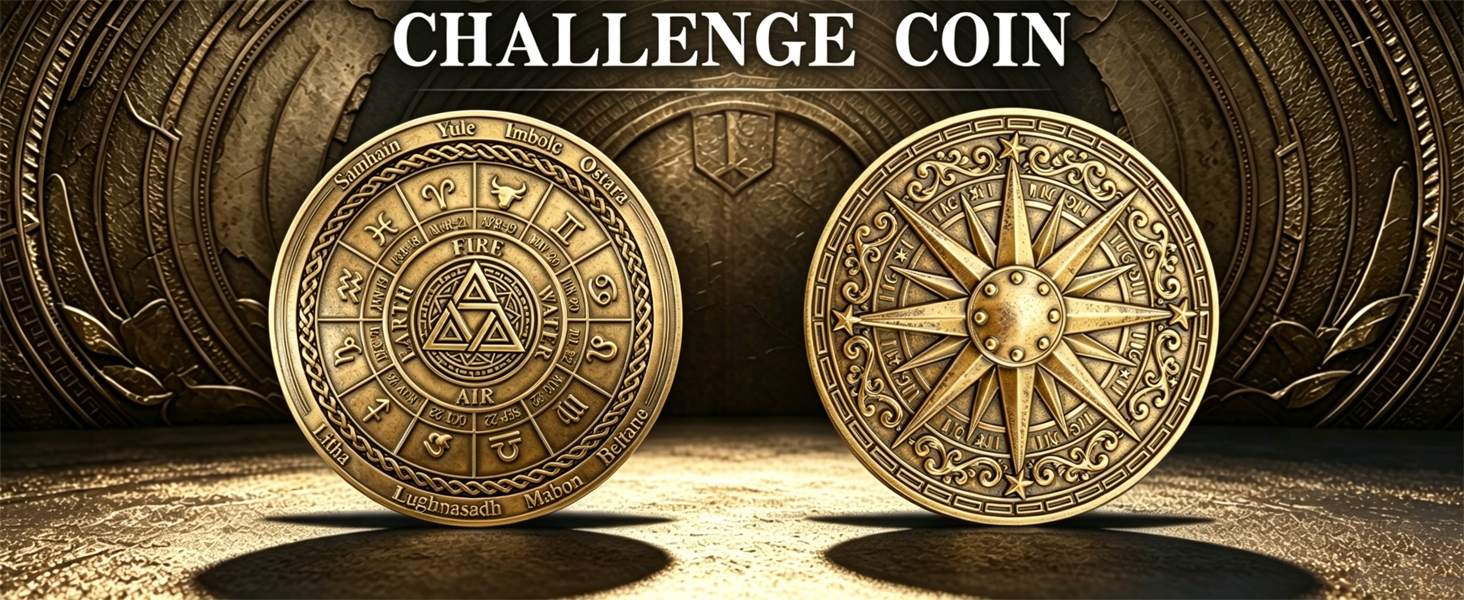
Challenge coins carry a different kind of value. Often associated with military units, police departments, fire crews, and other close-knit organizations, these coins symbolize belonging. A challenge coin is usually custom-designed with a unit crest, motto, mission, or commemorative date. It may be traded, gifted, or presented to recognize service, courage, or camaraderie.
The tradition is social. In its best-known form, the “coin check” asks members to produce their challenge coin when called upon. Those who cannot may owe a round of drinks or another friendly penalty. The ritual is less about rules than about shared identity. A challenge coin can say, “I was there,” “I served with you,” or “you are one of us.”
Why collectors seek them
Challenge coin collectors are often drawn to design and story. A coin from a deployed unit, a retired squadron, or a special event can be harder to find than a mass-produced commemorative piece. Collectors may trade duplicates, seek coins from former colleagues, or focus on a particular branch, agency, or theme. The most meaningful challenge coins are rarely the most expensive; they are the ones with a name, a date, and a memory attached.
A challenge coin is not just a token. It is a portable piece of loyalty—a reminder that service and friendship leave a mark.
Sobriety Coins: Milestones Made Tangible
Sobriety coins serve a quieter but equally powerful role. Often given in recovery communities to mark periods of sobriety, these coins—sometimes called sobriety medallions or AA chips—represent days, months, and years of commitment. A coin may be simple or ornate, but its meaning is personal. It can be a source of pride on a difficult day, a gift from a sponsor, or a symbol of a promise kept.
Recovery is measured one day at a time. Sobriety coins make that progress visible. They can honor thirty days, ninety days, one year, or decades of continued effort. For many people, the coin is not a trophy but a tool: something to hold during moments of doubt, something to share with a newcomer, and something to pass on when the time is right.
Collecting with care
Some people collect sobriety coins as reminders of different milestones or as gifts for friends and family. Others keep a single coin close at hand. Because these items are deeply personal, collectors should approach them with respect. A sobriety coin’s value is not primarily financial; it is emotional, relational, and symbolic.
Where the Three Worlds Meet
Collectible coins, challenge coins, and sobriety coins may seem unrelated, but they overlap in important ways. All three can be displayed, traded, gifted, and preserved. All three carry stories that extend beyond their metal content. A collector might keep a rare coin for its history, a challenge coin for its camaraderie, and a sobriety coin for its meaning—each in its own place, each with its own voice.
Presentation matters. A wooden display case, a felt tray, or a simple album can protect coins and make them easy to enjoy. Avoid harsh cleaning, direct sunlight, and humid storage. Labeling a collection—with dates, sources, and short notes—adds context that future owners will appreciate.
Final Thought
Coins are small, but the stories they hold are not. Collectible coins connect us to history, challenge coins connect us to community, and sobriety coins connect us to personal courage. Whether you are building a serious numismatic collection or simply saving a few meaningful pieces, the real value lies in what each coin reminds you to remember.